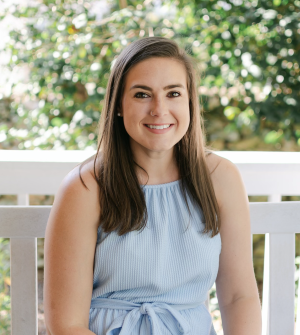
Dr. Haley Sherman
Assistant Professor
Statement of teaching and research interests.
Research Statement: I use a systems-based, ecological framework to study individual and family wellbeing, particularly under conditions of stress, by examining intrapersonal factors (such as religious coping), interpersonal dynamics (such as family functioning and social support), and contextual influences (such as military deployment, trauma, and pregnancy). My work aims to identify actionable intervention points—like promoting positive religious coping, fostering self-forgiveness, or strengthening relationship warmth—to support mental health in practical, applicable ways. Alongside this substantive focus, I maintain a strong methodological emphasis on measurement and psychometrics, consistently evaluating the validity and reliability of the scales used in wellbeing research. This dual focus has shaped projects ranging from analyses of combat-experience scales and unit cohesion measures to my current dissertation, which includes a psychometric assessment of the Brief Religious Coping Scale among U.S. veterans and an investigation into how self-related processes may mediate links between religious coping and psychological wellbeing.
Teaching Statement: I believe that education is essential to human growth and that all students deserve meaningful opportunities to learn, which motivates my commitment to continual self-improvement as an educator and to fostering classrooms where students feel motivated, supported, respected, and engaged. I strive to create stimulating learning environments that encourage attention, critical thinking, and personal development by using varied teaching strategies—such as discussions, active-learning techniques, independent and group work, and regular feedback—and by being accessible and responsive to students’ needs. My teaching experience across university courses, mentorship programs, and study abroad settings reflects these values, as does my belief in the importance of diversity and inclusion, which I promote through respectful dialogue and communication skills that empower students from different backgrounds to share their perspectives. Ultimately, my goal is to care for students while equipping them with the tools to thrive, guided by the conviction that supporting and uplifting one another makes the world—and our classrooms—better places.
Publications
Kirchner, K., Persaud, P., Bland, C., & Sherman, H. (2026). Moral injury in healthcare workers: An intervention to mitigate distress. Nursing Ethics, https://doi.org/09697330261449301
*Velez, M., & Sherman, H. (2026). Fostering Healthier Relationships: A Brief Literature Review. Omnino, 16.
Sherman, H., & Lucier-Greer, M. (2025). An assessment of psychometric properties of the Brief Religious Coping Scale (Brief RCOPE) with a Veteran sample. Rehabilitation Counseling Bulletin, 69,(4). https://doi.org/10.1177/00343552251349500
Lucier-Greer, M., O'Neal, C.W., Cooper, E., Vandenberg, C., Quichocho, D., & Sherman, H. (2025). Military cultural competence among human service helping professionals: A psychometric analysis of three brief measures. Journal of Marital and Family Therapy, 51: e70038. https://doi.org/10.1111/jmft.70038
Sherman, H. & Lucier-Greer, M. (2024). Assessing the psychometric properties of the Army STARRS’ vertical unit cohesion scale: A large-scale, longitudinal study. Military Psychology. https://doi.org/10.1080/08995605.2024.2370705
Publications – In Preparation
Frye-Cox., N., Quichocho, D., Sherman, H., & Burke, B. (In Preparation). Strained Hearts and Minds: The consequences of spousal distress and loneliness for marital satisfaction. Social Science Medicine.
Sherman, H., *Torres, F., & Kirchner, K. (In Preparation). Positive vs. Negative Affect: A Moderation Model of Psychological Struggles and Physical Pain in Military-Affiliated Individuals. Mindfulness.